Author

Christoph NEDOPIL WANG

Browsing
Dr. Christoph NEDOPIL WANG is the Founding Director of the Green Finance & Development Center and a Visiting Professor at the Fanhai International School of Finance (FISF) at Fudan University in Shanghai, China. He is also the Director of the Griffith Asia Institute and a Professor at Griffith University. Christoph is a member of the Belt and Road Initiative Green Coalition (BRIGC) of the Chinese Ministry of Ecology and Environment. He has contributed to policies and provided research/consulting amongst others for the China Council for International Cooperation on Environment and Development (CCICED), the Ministry of Commerce, various private and multilateral finance institutions (e.g. ADB, IFC, as well as multilateral institutions (e.g. UNDP, UNESCAP) and international governments. Christoph holds a master of engineering from the Technical University Berlin, a master of public administration from Harvard Kennedy School, as well as a PhD in Economics. He has extensive experience in finance, sustainability, innovation, and infrastructure, having worked for the International Finance Corporation (IFC) for almost 10 years and being a Director for the Sino-German Sustainable Transport Project with the German Cooperation Agency GIZ in Beijing. He has authored books, articles and reports, including UNDP's SDG Finance Taxonomy, IFC's “Navigating through Crises” and “Corporate Governance - Handbook for Board Directors”, and multiple academic papers on capital flows, sustainability and international development.

In April 2023, the Belt and Road Initiative International Green Development Coalition (BRIGC) published the Green Development Guidance for BRI Projects Phase III. In this report, the authors analyze how Chinese overseas development funds apply environmental standards, in particular the “Traffic Light System” for BRI projects. The report was written…
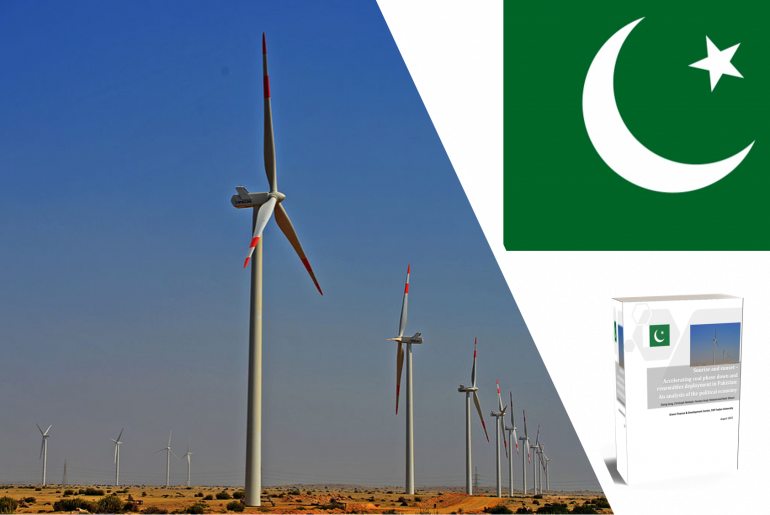
In a new report, Ziying Song, Christoph Nedopil (both GFDC), Haneea Asad (IEEFA Pakistan) and Muhammad Basit Ghauri (Renewables First Pakistan) analyze the opportunities for accelerated coal phase-down and green energy expansion in Pakistan. >> You can download the report here Executive Summary Pakistan like many nations, faces the urgent…

Download report The world faces a dual environmental crisis through climate change and biodiversity loss. State-owned enterprises (SOEs) are in a unique position to take a leading role in confronting these challenges and shifting economic activity from polluting to green. This requires a shift in existing business models, particularly in…

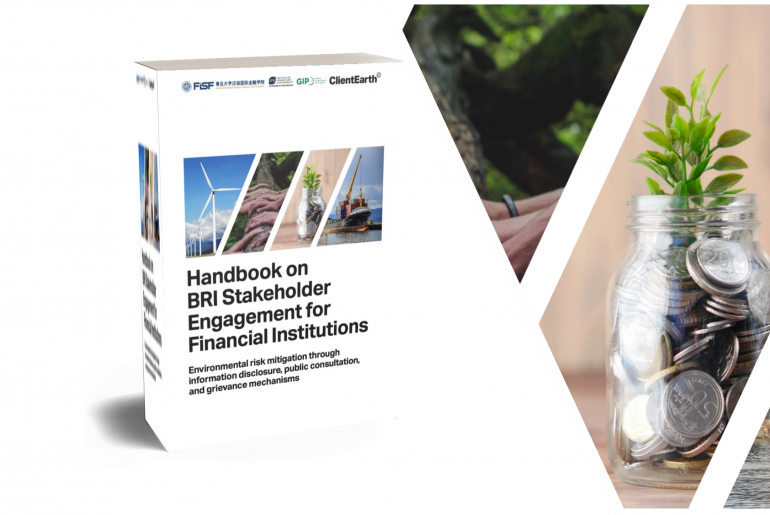
–>download report here This new handbook, developed in cooperation between the Green Finance & Development Center, FISF Fudan University, ClientEarth, the Green Investment Principles (GIP), and the Institute for Finance and Sustainability (IFS), supports environmental risk mitigation through information disclosure, public consultation and grievance mechanism. You can download the English…

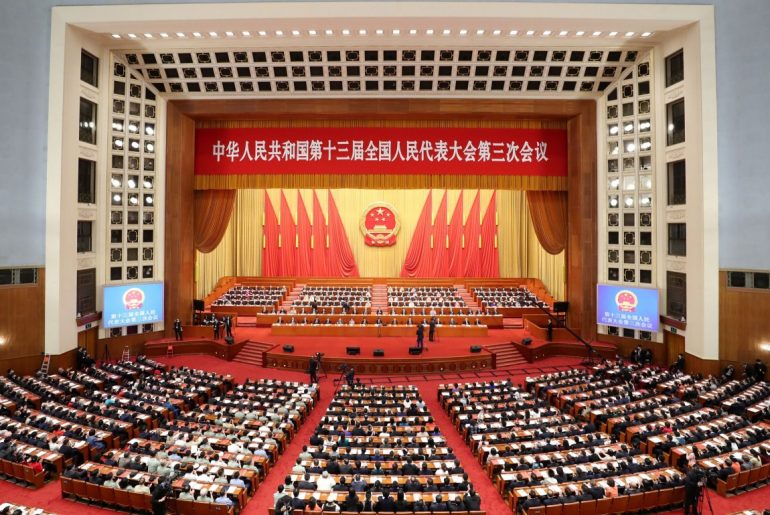
China’s annual “Two Sessions” meetings took place from March 4 to March 13, 2023. It featured significant institutional reforms, elections of key personnel, and policy orientations for the China’s economic, social and political development. The Two Sessions consist of the National People’s Congress (NPC) and the Chinese People’s Political Consultative…

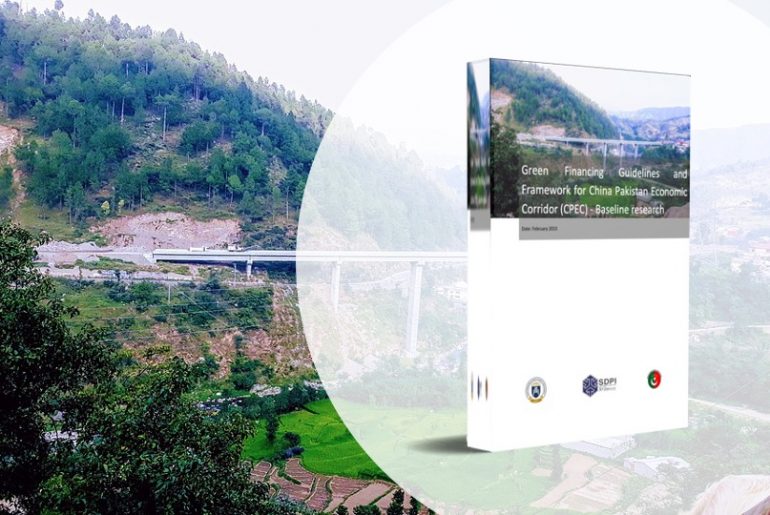
Download here The Green Finance Guideline (Baseline) for the China Pakistan Economic Corridor (CPEC) incorporate 12 recommendations to accelerate green finance to support Pakistan’s green transition with a focus on collaboration and finance mobilization. Greening finance in the China Pakistan Economic Corridor (CPEC) is a unique opportunity to accelerate the…